Dear Fiona,
Thank you for sharing the Strategic Plan, Tourism White Paper, RTIF application, and SCP bid. These documents represent a substantial body of strategic thinking, and I’m grateful to have such a thorough foundation to build on as I begin this role. It is clear that a great deal of thought, effort, and stakeholder engagement has gone into bringing CDT to this point.
What follows is my initial assessment of where these documents align, where there are gaps I can help fill, and what I think we should prioritise. I have also referenced the Heritage Conservation Framework — while not part of your original set, it is clearly central to the picture and its findings have significant implications for the financial and strategic questions ahead.
The gaps I identify below are not criticisms — they are exactly the kind of work the BDM post was created to take on. I see my role as building on the framework you and the board have established, filling in the commercial and financial detail, and helping the board make informed decisions about the camp’s future.
Bravo Nyamudoka
Business Development Manager, Comrie Development Trust
Document Review
An assessment of CDT’s existing strategic documents — what they tell us, where they align, and where my role can add value.
Documents Under Review
| # | Document | Author | Purpose |
|---|---|---|---|
| 1 | CDT Strategic Plan 2025–28 | Board (Fiona as Chair) | 3-year organisational strategy with objectives, activities, leads, and timelines |
| 2 | Cultybraggan Tourism White Paper | Fiona Blacke, Chair | Investment proposal for £130K tourism development (camping, weddings, museum, signage) |
| 3 | RTIF Design Fund Application | CDT | Application for RTIF funding to design motorhome aire, events space, camping, and visitor experience |
| 4 | SCP Application Form 2026–29 | CDT (Fiona) | Strengthening Communities Programme bid to fund a Business Development Manager post for 3 years |
| 5 | Heritage Conservation Framework | Sara Carruthers & Dr Gavin Lindsay | Independent conservation assessment of all 93 buildings, commissioned by CDT and funded by PKC / Perth & Kinross Heritage Trust (September 2025) |
A Strong Foundation
Reading these documents together, what stands out is how much shared ground there is. The board has established a clear and consistent set of priorities, and the funding applications are well aligned with the strategic plan. Five themes run through all four documents:
Weddings and events as an income stream
| Document | What it says |
|---|---|
| Strategic Plan | Economy 2.1: “expansion of commercial leasing, tourism, and events including weddings”; Economy 2.3: “wedding and celebrations offer” |
| White Paper | £58K allocated for chapel refurbishment, woodland venue power, events hut, bunkhouse |
| RTIF | Focused on motorhome/camping/heritage design — does not reference weddings directly |
| SCP | Outcome 3: “recognised as a desirable venue for weddings and events”; targets 5 → 10 → 15 weddings per year |
Heritage conservation and visitor experience
This is the strongest area of consensus. All four documents treat heritage as a priority — from the Strategic Plan’s six heritage activities to the RTIF’s ambition to “identify affordable ways to conserve the largest collection of wartime Nissen huts in the world.” The White Paper allocates £20K for museum enhancements and interpretation upgrades. The SCP commits to a restoration volunteer programme and increased visitor numbers.
Financial self-sufficiency as the end goal
The Strategic Plan targets “long-term financial stability.” The SCP is more specific: Outcome 5 commits to “sufficient income to remove any reliance on external funding for staff or operating costs,” with a post-funding target of six months’ unrestricted reserves. This is an ambitious and important goal — and one that the BDM role was specifically created to help achieve.
Local economic benefit
All four documents reference benefits to the wider Comrie economy: local supplier partnerships (Strategic Plan 2.3, White Paper), boosting visitor spend in the area (RTIF, SCP Outcome 3), and job creation (SCP Outcomes 3 and 5, Strategic Plan 2.4).
Volunteer and community engagement
The Strategic Plan commits to developing a volunteer cohort (Activity 1.5). The SCP goes further, describing “large numbers of volunteers (local, national and international) engaged in a programme of restoration.” This is a genuinely exciting ambition and one I look forward to helping deliver.
Where My Role Fits In
The documents above set out a clear strategic direction. What they naturally leave to the BDM role is the commercial and financial detail needed to turn that direction into delivery. Below are the areas where I believe I can add the most value.
1. Building the financial case
None of the four documents yet contains a revenue model or financial forecast. This is entirely understandable — financial modelling is specialist work, and it is exactly the kind of task the BDM post was designed for. But it is now needed urgently.
The SCP application commits to full financial self-sufficiency within three years (Outcome 5). The White Paper proposes £130K in capital investment. Both are sound ambitions, but neither is yet backed by income and expenditure projections showing how we get there. Building that financial model — so the board can see clearly what each activity is expected to generate and what it will cost — is my first priority.
2. Defining the wedding product
Three documents reference weddings, and the SCP sets year-on-year targets (5 → 10 → 15). This is a promising income stream, but the documents have not yet specified the product: what type of wedding, what capacity, what price point, what target market. The White Paper describes a chapel refurbishment (the existing Army Chapel seats approximately 14–20 people) with a woodland craft venue — but the Strategic Plan’s language (“events including weddings”) is open-ended.
Before investing in venue infrastructure, I would like to conduct basic market research to determine what wedding offer is most viable at Cultybraggan — what the market wants, what comparable venues charge, and what infrastructure each model requires. This will allow the board to make an informed investment decision.
3. The motorhome question
A motorhome aire or stopover park features prominently in three of the four documents: the White Paper (£52K for camping and caravanning infrastructure), the RTIF application (primary design output), and the SCP (Outcome 4: “a popular and sustainable motor home stopover park”). However, the Strategic Plan — the board’s adopted umbrella strategy — does not mention a motorhome facility specifically.
This is worth a conversation. The motorhome aire has clear support and may well be the right thing to do, but it would benefit from a formal board discussion and a look at the revenue evidence from comparable sites, so that the decision is made consciously rather than arriving as a by-product of individual funding applications.
4. A site master plan
The White Paper, RTIF, and SCP each describe physical interventions on the same 90-acre site — camping infrastructure, motorhome aire, events space, wedding venue, heritage experience. Each proposal is internally coherent, but there is not yet a single plan showing how all of these uses fit together spatially. Where does the motorhome aire go relative to the events space? Does the camping area conflict with wedding guests? How is shared infrastructure (water, power, sewage, access) allocated?
The RTIF design work (due by March 2026) is the natural vehicle for this — and I would like to work with that process to ensure the design brief covers the whole site, not just individual components in isolation.
5. The trust deed revision
The SCP application (Section 5, Q2) notes that CDT’s governing documents are due to be updated “once the charitable purposes are amended with Trust members’ agreement.” The charitable purposes define what CDT can lawfully do, so this is an important moment. I would recommend that all trustees are fully briefed on the proposed changes and have the opportunity to input before the revision is finalised.
The Heritage Conservation Framework
While not part of the documents shared directly, the Heritage Conservation Framework (completed September 2025 by Sara Carruthers MCIOB and Dr Gavin Lindsay) is arguably the most important piece of the puzzle. Commissioned by CDT and funded by Perth & Kinross Council and Perth & Kinross Heritage Trust, it provides an independent, professional assessment of every building on site.
Its findings are stark and set the context for everything else:
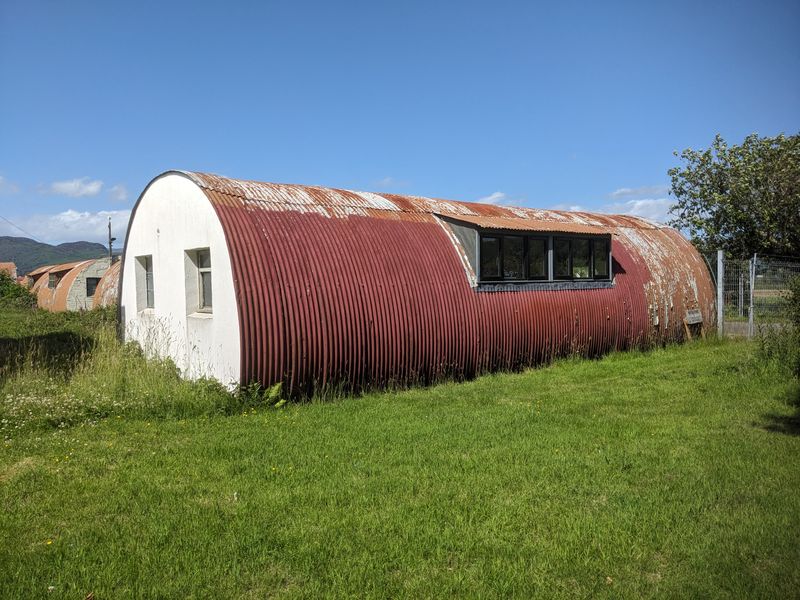
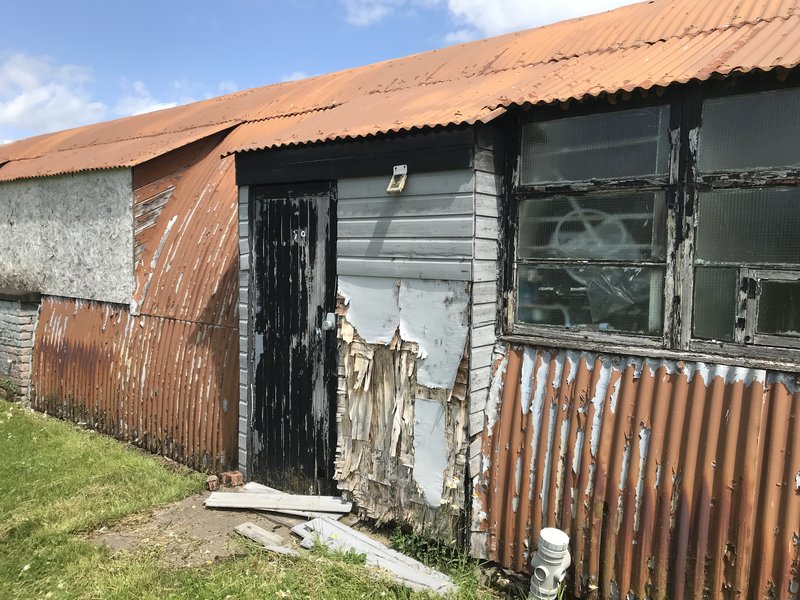
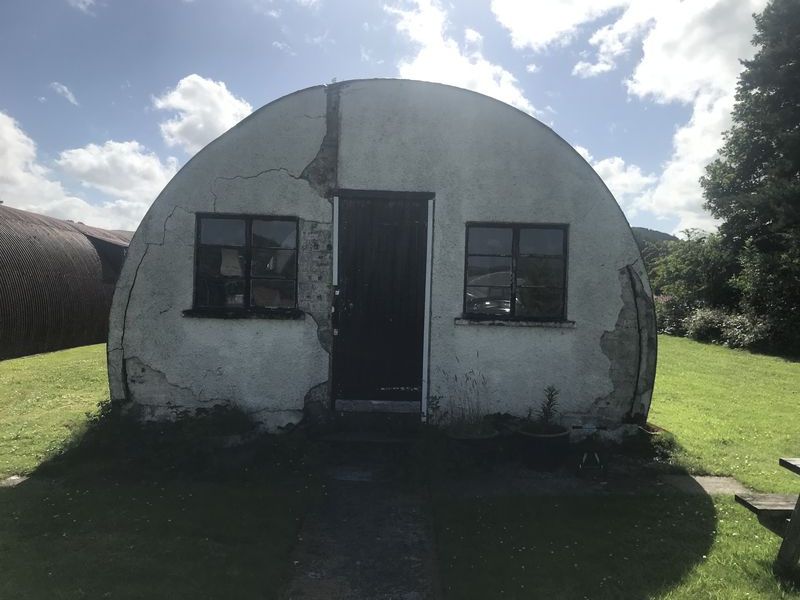
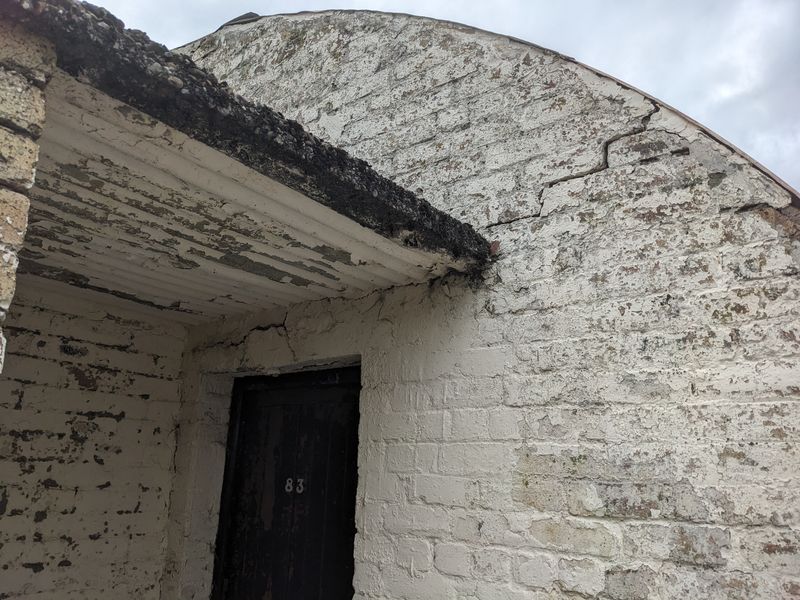
What this means for the other documents
The Heritage Conservation Framework changes the financial arithmetic significantly. The £91K/year maintenance requirement and £1.18M repair backlog are costs that exist regardless of which strategic direction the camp takes. Any financial model I develop needs to account for these figures — they are not optional expenditure but the minimum cost of preserving the asset that makes everything else possible.
| Framework finding | Implication for the other documents |
|---|---|
| £91K/year maintenance | The revenue model I build must show how this is covered — not as an aspiration but as a baseline cost |
| £1.18M repair backlog | Capital funding strategy needs to address this alongside the tourism investment proposed in the White Paper and RTIF |
| Strategic Plan Activity 4.1 | Commits to “implement the recommendations of the Conservation Management Framework” — but no budget is allocated. This is now my responsibility to cost and plan. |
| SCP Outcome 5 (self-sufficiency) | Self-sufficiency must include heritage maintenance costs, not just staff and operating overheads. The bar is higher than it first appears. |
| Huts 29–39 (self-catering conversion) | Cited in the Framework as a model of good practice — proving that heritage-sensitive conversion can work. The question is how to replicate and scale this. |
Structural Observations
A few patterns are worth noting across the full document set, not as criticisms but as context for prioritising the work ahead:
The Strategic Plan is flexible by design
It sets broad objectives and activities but deliberately avoids costings, revenue targets, and prioritisation. Every activity is marked “ongoing.” This is appropriate for a board-level strategy document — it sets the direction while leaving the commercial detail to the delivery team. Filling in that detail is now my job.
The funding applications are well crafted but independent
The White Paper, RTIF, and SCP were written at different times for different funders. Each is internally coherent and well argued. Read together, though, they describe overlapping uses of the same site without a unifying spatial or financial plan. This is normal for organisations at this stage of development — the documents were written to secure funding, not to function as an integrated master plan. Creating that integrated view is the next step.
The solar farm is progressing on a separate track
The Strategic Plan commits to a solar farm by end 2027 (Environment 3.3), and the RTIF mentions “well advanced plans.” The White Paper and SCP are silent on it. This appears to be a separate workstream with its own timeline, which is fine — but the financial model should account for its potential revenue contribution and any infrastructure implications for site planning.
Proposed Work Programme
Based on this review, I propose the following priorities for the BDM role. These build directly on the framework the board has established and are designed to fill the gaps identified above.
| # | Action | Why now |
|---|---|---|
| 1 | Build a financial model | The SCP commits to self-sufficiency within three years. The Heritage Conservation Framework sets the cost baseline. I need to show the board what revenue each proposed activity generates and whether the numbers add up — before further capital is committed. |
| 2 | Define the wedding product | Three documents commit to weddings but the product is undefined. Market research — target market, capacity, pricing, comparable venues — will allow the board to make an evidence-based investment decision on venue infrastructure. |
| 3 | Produce a site master plan | Three funding bids propose overlapping uses on the same site. The RTIF design work is the natural vehicle — I will work to ensure the brief covers the whole site, not just individual components. |
| 4 | Present motorhome aire evidence to the board | Three documents commit to this but the adopted strategy does not mention it. I will prepare a revenue analysis from comparable sites so the board can make a conscious, evidence-based decision. |
| 5 | Support the trust deed revision | The governing documents are being updated now. I will ensure all trustees have the information they need to input meaningfully into this process. |
| 6 | Progress direction-neutral investments | Heritage conservation, road and path improvements, museum upgrades, chapel refurbishment, solar feasibility, and the volunteer programme can all proceed now. They do not depend on strategic decisions still to be made, and several are already funded. |
| 7 | Conduct a formal options appraisal | The financial model and market research will inevitably surface different strategic directions the camp could take. I intend to present these to the board as a structured options appraisal — assessing each path against CDT’s constitutional objectives, the Heritage Conservation Framework’s cost requirements, and the community’s aspirations — so the board can make an informed recommendation to put to members. |